GLI Stranimali
Di Paola Pantani
Pantani Arte San Gimignano
Via San Martino 32 53037
San Gimignano Siena
P.Iva 00693890527
+39 3497743726
GLI Stranimali
Di Paola Pantani
Pantani Arte San Gimignano
Via San Martino 32 53037
San Gimignano Siena
P.Iva 00693890527
+39 3497743726
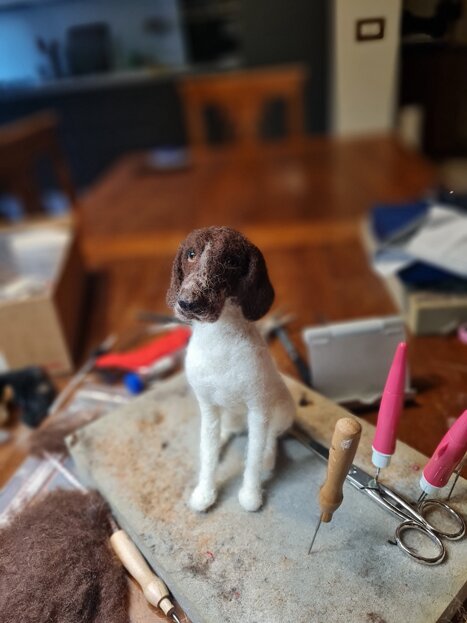
The art of sculpting wool
Needle felting
What is carded wool?
Carded wool is unspun wool with a very soft appearance, composed of fine fibers that can easily be divided into smaller sections. This type of wool is primarily used for felting.
There are two main methods for felting carded wool:
Wet felting (using water and soap)
Needle felting
How is carded wool produced?
Before wool can be used to make textiles, it must be processed. The steps following shearing are washing and carding.
During carding, the wool is combed with a metal roller to remove impurities, leaving it in a raw, lofty form—this is carded wool. From this point on, it can be used for spinning or felting.
The Technique
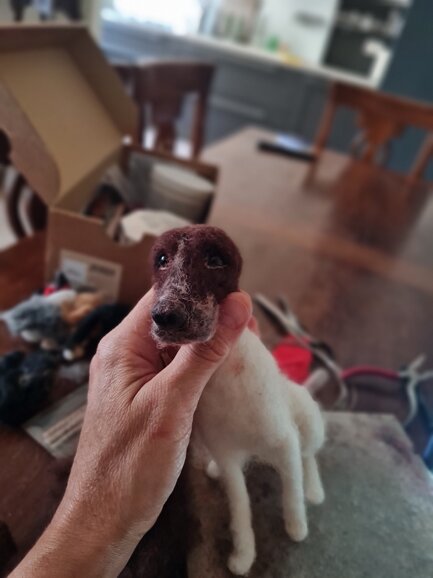
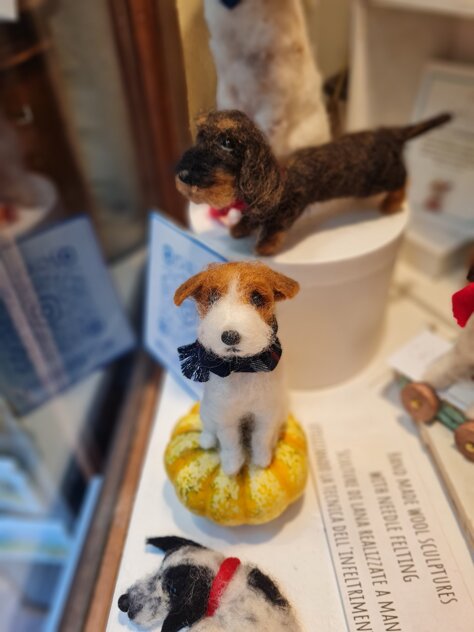
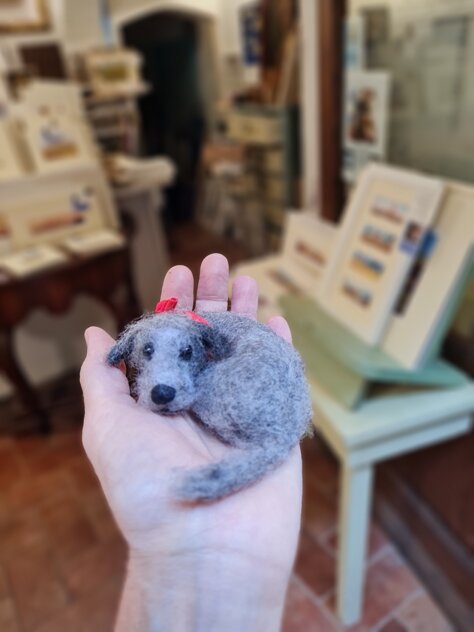
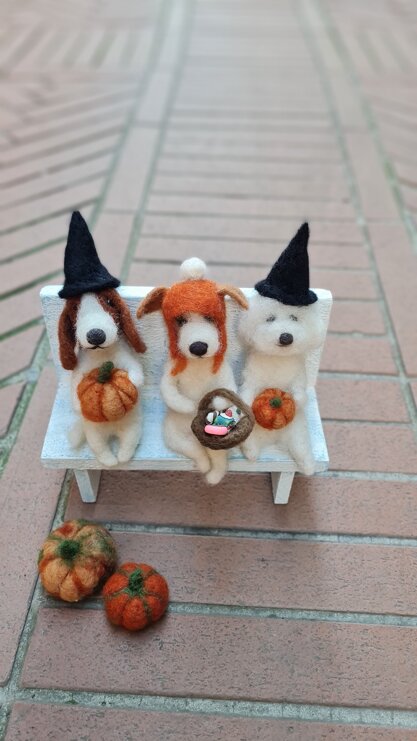
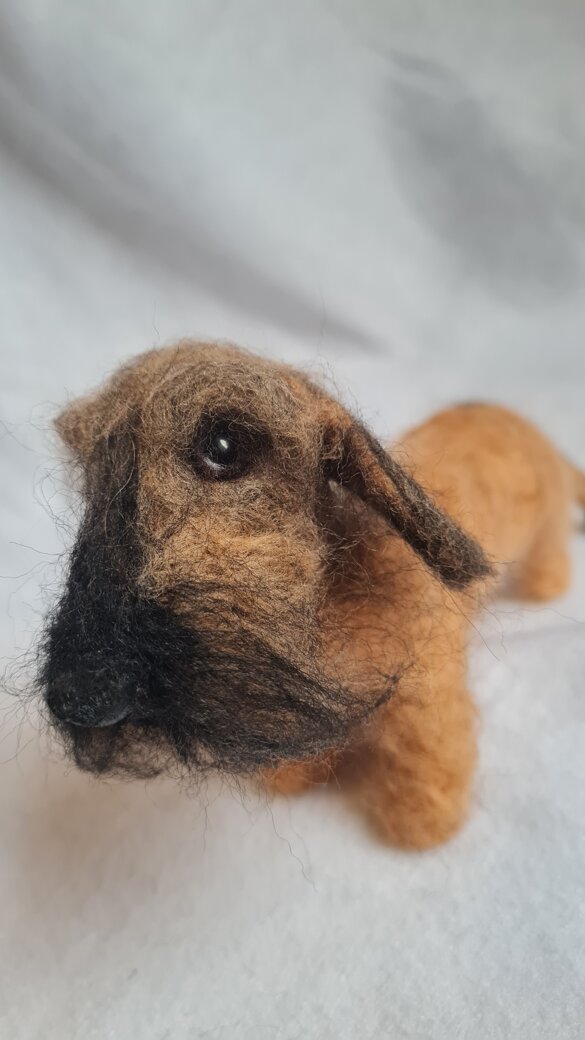
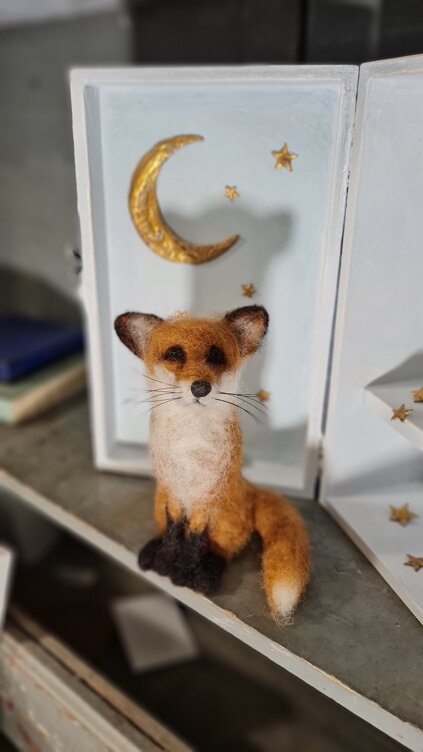
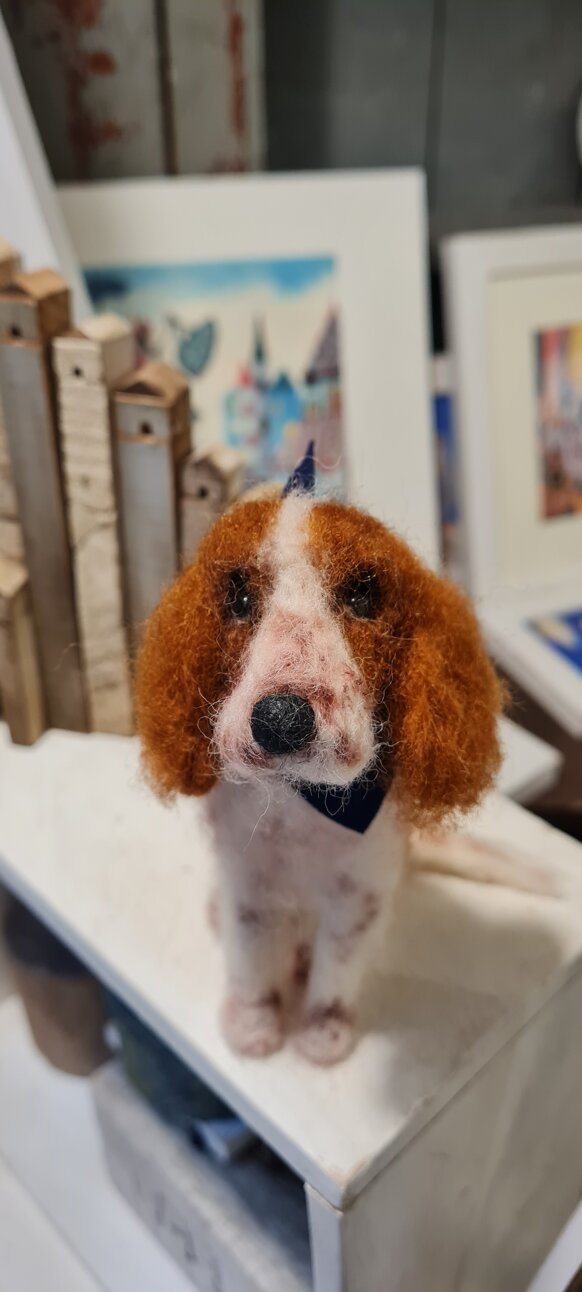
The process I use to create my artwork is needle felting. This technique involves working unspun wool fibers (carded wool) with a specialized needle featuring tiny barbs. The movement of the needle expels air from between the fibers and tangles them together, shaping them into all kinds of three-dimensional forms.
It takes thousands of pokes with the needle tip, but eventually, you achieve a solid form ready to be sculpted. Each piece requires many hours to complete. There is no filling inside—everything is entirely needle felted from the core out. I start with a basic base, then layer wool upon wool, working for hours until reaching the desired shape.
Materials & Sustainability
There are many types of wool—animal, plant-based, and synthetic. In my work, I typically use animal fibers such as Maori, Bergschaf, Merino, and occasionally Corriedale.
I source my wool from DHG SHOP, a supplier that uses carefully selected materials to ensure consistent quality over time. All materials are 100% carded wool sourced from Mulesing-Free certified lots.
Every artist brings their own method and imagination to the craft. Needle felting has no boundaries; it allows you to discover new techniques and applications every day, and the learning never ends. It becomes almost an addiction—a wonderful, therapeutic habit and the best remedy for a good mood.